Downey Garage Door Repair
Garage Door Installation in Artesia, CA
Installation in Artesia, Los Angeles County. Technicians work across the area, so when you call we send whoever is nearest to you.
Open 24/7 for emergencies
Free diagnostic estimate on every call-out
Installation in Artesia divides the way the city does: sectional doors for the houses, rolling steel curtains for the small premises. We fit both, and the discipline is identical even where the hardware is not — the door is specified from measurements taken at the opening and from an honest account of how hard it will work, never from a catalogue page and a hunch.
That second half matters more on a mixed block than anywhere, because this is a city where a door built for four cycles a day can stand a few doors from one that earns its keep on every delivery.
A house door specified for the street it faces
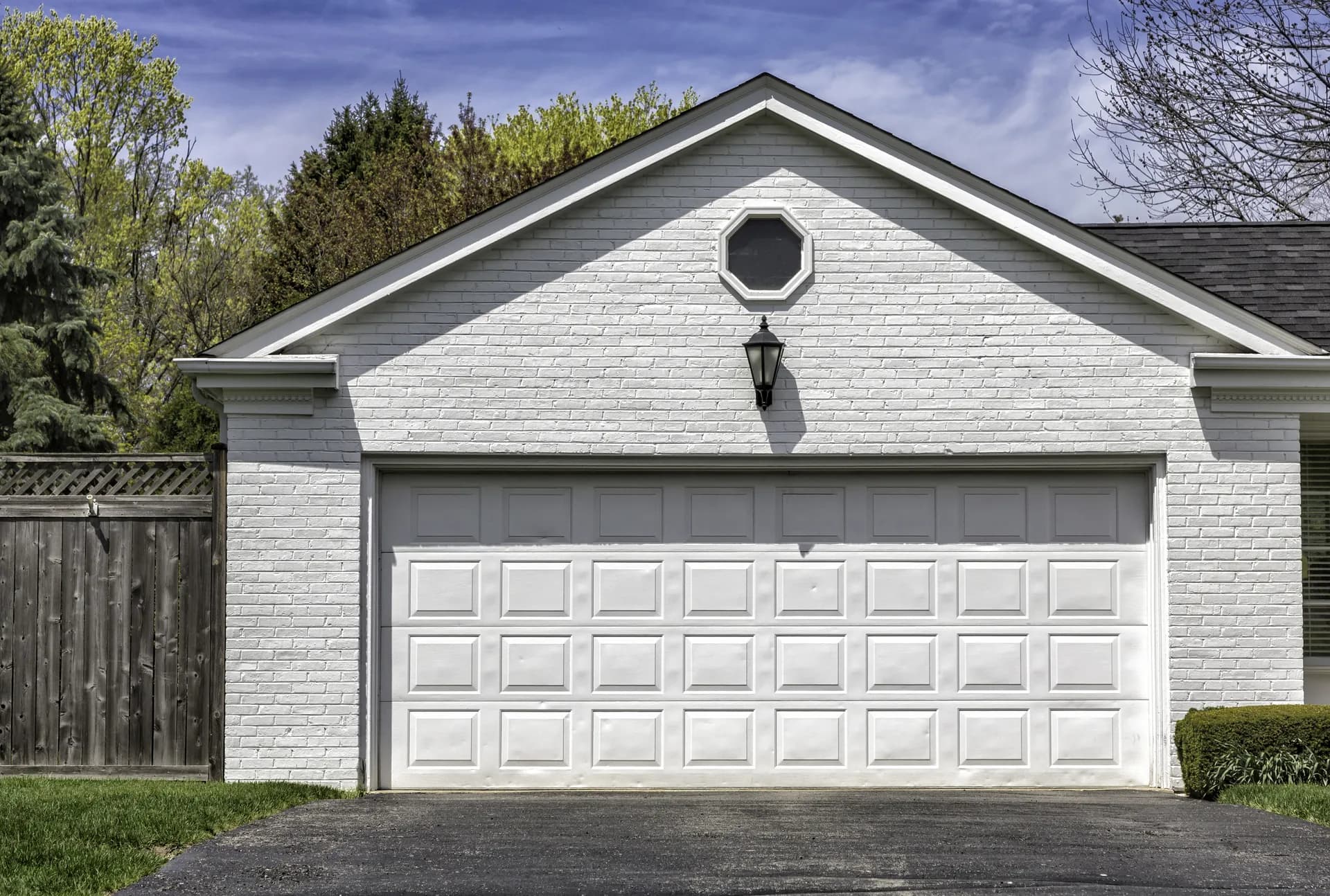
For homes the default recommendation is a double-skinned insulated sectional, and the reasons are structural before they are thermal: the sandwich construction is stiffer across the opening, quieter in the track, and better at shrugging off the small contacts that doors near working streets collect. Panel styles from flush to raised to the stamped carriage look are all available in the standard widths; appearance is your call, and we will bring samples rather than adjectives.
The engineering is ours, and it is not negotiable the way colour is. The spring package is calculated from the weight of the actual door ordered — an insulated door is heavier than the single-skin door it replaces, and carrying the old spring package across to a new door builds the first failure into the installation. The opener is checked against that same weight and its own condition, and where the existing unit falls short we say so at the estimate, with the figures on the table, not on installation morning.
Fitting runs as a same-day job on a standard opening: old door out, tracks set plumb and true and packed to the jambs, sections hung with their hardware as the door goes up, springs wound to the calculated turns, and the balance proven by hand before the opener is allowed to touch it. You get the reversal demonstrated both ways, the manual release explained, and the warranty and specification paperwork in your hand before the van leaves.
A shop door specified for its working day
For small premises we supply and fit light-commercial roll-ups: the corner shop's rear door, the small unit's service entrance, the workshop bay. That scope is deliberate and we keep to it — it is the door population this city actually has, and it is different work from the industrial end of the trade, which we do not pretend to. Within the scope, the specification questions are concrete: the opening's true size, the curtain gauge, how the door locks, and above all how many times a day it will move.
The cycle count drives everything inside the assembly. It sizes the springs that go into the barrel, decides between push-up operation, a chain hoist and a motor, and sets the operator's duty class where a motor is wanted. A door cycled a handful of times a day is well served by manual operation and standard springs; a door that moves for every delivery deserves springs specified above the minimum and an operator rated for the traffic, because under-specifying a commercial door does not save money, it schedules a failure inside trading hours.
The survey covers what small buildings actually offer: headroom above the lintel for the coiled curtain, side room for the guides and endplates, a substrate — masonry, steel or timber — that will hold guide fixings under working load, and power where an operator needs it. Motorised doors get a sensing edge on the bottom bar, tested in front of you; manual doors get the locking worked out properly, slide bolts on the bottom bar or a locking bar, so that closing up at night is one motion rather than a ritual.
Scheduling, and what handover looks like on each side of the block
Everything begins with a written figure from a survey visit that costs nothing: the door, the hardware package, any making-good the opening needs, the operator or opener if one is wanted, and the labour, each on its own line. Orders go in only after you have said yes, and lead times are quoted as the dates suppliers have actually given us, not as reassurance.
For businesses we plan the fitting around trade. A straightforward roll-up replacement on a prepared opening is normally completed inside a working day, and where the premises cannot afford that day we split the work across the quiet edges of two. Handover on a commercial door includes the hand chain, the locks, the sensing edge test, and the barrel's spring turn count recorded for the next service — a small note that saves the next technician an hour and saves you the bill for it.
For households the day ends with the checks that matter more than the shine: balance confirmed by hand before the opener is coupled, travel and force set to this door, reversal proven on the beam and on contact, and the seal meeting the slab along the full width. Then the walkthrough — the release, the seasonal checks you can run yourself, the warranty. A door should be the least interesting thing about your house from that day on, and that is the standard we leave to.
Installation in Artesia — FAQs
- Yes, and for most small premises that is how we prefer to plan it. First-light starts before you open, evening work after you close, or a split across two quiet mornings — agreed in advance and written into the booking. A new door should be a line in your diary rather than a day of lost trade, and the schedule is part of the estimate, not an afterthought.
- Manual is a perfectly good answer more often than the trade admits. A modest curtain used a few times a day works well as a push-up or chain-hoist door, costs less, and has less to go wrong. The case for a motor is built on frequency, curtain size and who operates it — a door cycling all day, a large curtain, or staff who cannot haul a chain all argue for power, with a sensing edge fitted as standard. You will get the honest version for your door, including the cheaper one.
- The survey and the written figure happen in one visit. From order, a stock door in a standard size arrives on the supplier's stated date, and the fitting itself is a single day on a sound opening, including the spring calculation, balance testing and opener setup. What extends it is the opening rather than the door — a header or jamb that needs making good before it can carry track — and that is identified and priced at the survey, not discovered on the day.
Other garage door services in Artesia
Request service
Fast callback during business hours. For urgent safety issues, call now.